{
"timeline": {
"soundtrack": {
"src": "https://templates.shotstack.io/car-sale-video/3d741a59-187b-429e-a72f-85ea0755ffb0/majesty.mp3",
"effect": "fadeOut"
},
"fonts": [
{
"src": "https://templates.shotstack.io/car-sale-video/b2799f1a-5d42-4c76-8673-b3e64051cfeb/source.ttf"
},
{
"src": "https://templates.shotstack.io/car-sale-video/e73223a1-799a-4387-a504-b4ab1241d08f/source.ttf"
}
],
"background": "#000000",
"tracks": [
{
"clips": [
{
"asset": {
"type": "text",
"text": "www.mycardealership.com",
"font": {
"family": "Roboto Black",
"color": "#c40005",
"size": 41
},
"alignment": {
"horizontal": "center"
},
"width": 524,
"height": 74
},
"fit": "none",
"scale": 1,
"offset": {
"x": 0.3,
"y": -0.375
},
"position": "center",
"transition": {
"in": "carouselLeft"
},
"start": 0.25,
"length": 9.75
}
]
},
{
"clips": [
{
"asset": {
"type": "text",
"text": "SAVE",
"font": {
"family": "Montserrat ExtraBold",
"color": "#ff090f",
"size": 71
},
"alignment": {
"horizontal": "center"
},
"width": 300,
"height": 81
},
"fit": "none",
"scale": 1,
"offset": {
"x": 0.355,
"y": 0.198
},
"position": "center",
"transition": {
"in": "carouselDown"
},
"start": 0.15,
"length": 9.85
}
]
},
{
"clips": [
{
"asset": {
"type": "text",
"text": "{{ DISCOUNT }}",
"font": {
"family": "Roboto Black",
"color": "#3b3b3b",
"size": 93
},
"alignment": {
"horizontal": "center"
},
"width": 300,
"height": 107
},
"start": 0,
"fit": "none",
"scale": 1,
"offset": {
"x": 0.356,
"y": 0.114
},
"position": "center",
"transition": {
"in": "carouselDown"
},
"length": 10
}
]
},
{
"clips": [
{
"asset": {
"type": "image",
"src": "https://templates.shotstack.io/car-sale-video/36cc1c50-ec33-4c12-ae51-5048fd93338d/source.png"
},
"start": 0,
"offset": {
"x": 0.353,
"y": 0.129
},
"position": "center",
"transition": {
"in": "slideDown"
},
"length": 10,
"scale": 0.17
}
]
},
{
"clips": [
{
"asset": {
"type": "image",
"src": "{{ LOGO }}"
},
"start": 0,
"offset": {
"x": -0.378,
"y": 0.381
},
"position": "center",
"scale": 0.1,
"transition": {
"in": "slideRight"
},
"length": 10
}
]
},
{
"clips": [
{
"asset": {
"type": "text",
"text": "NOW ON",
"font": {
"family": "Roboto Black",
"color": "#da0c11",
"size": 251
},
"alignment": {
"horizontal": "center"
},
"width": 1063,
"height": 260
},
"fit": "none",
"scale": 1,
"offset": {
"x": -0.05,
"y": 0.149
},
"position": "center",
"transition": {
"in": "carouselDown"
},
"start": 0,
"length": 10
}
]
},
{
"clips": [
{
"asset": {
"type": "text",
"text": "RUNOUT SALE",
"font": {
"family": "Times New Roman",
"color": "#1a1a1a",
"size": 112
},
"alignment": {
"horizontal": "center"
},
"width": 1000,
"height": 115
},
"fit": "none",
"scale": 1,
"offset": {
"x": -0.052,
"y": 0.313
},
"position": "center",
"transition": {
"in": "carouselDown"
},
"start": 0.25,
"length": 9.75
}
]
},
{
"clips": [
{
"asset": {
"type": "image",
"src": "{{ IMAGE }}"
},
"start": 0,
"offset": {
"x": -0.156,
"y": -0.257
},
"position": "center",
"transition": {
"in": "zoom"
},
"effect": "zoomInSlow",
"length": 10,
"scale": 0.44
}
]
},
{
"clips": [
{
"asset": {
"type": "image",
"src": "https://templates.shotstack.io/car-sale-video/fb93ccc3-b8b0-4ec6-b0bf-5e44f1b33f41/source.png"
},
"start": 0,
"offset": {
"x": 0,
"y": 0
},
"position": "center",
"scale": 1,
"length": 10,
"opacity": 0.35
}
]
},
{
"clips": [
{
"asset": {
"type": "image",
"src": "https://templates.shotstack.io/car-sale-video/b38b6a84-964a-4866-9c2b-9275b32910fd/source.jpg"
},
"start": 0,
"offset": {
"x": -0.008,
"y": 0.074
},
"position": "center",
"scale": 1.43,
"length": 10
}
]
}
]
},
"output": {
"format": "mp4",
"size": {
"width": 1920,
"height": 1080
}
},
"merge": [
{
"find": "DISCOUNT",
"replace": "30%"
},
{
"find": "IMAGE",
"replace": "https://templates.shotstack.io/car-sale-video/3a10f0fc-e444-452f-8d4d-fa6ccfa48853/source.png"
},
{
"find": "LOGO",
"replace": "https://templates.shotstack.io/car-sale-video/38e58ea8-b6dd-40f4-bb38-28601c9843c8/source.png"
}
]
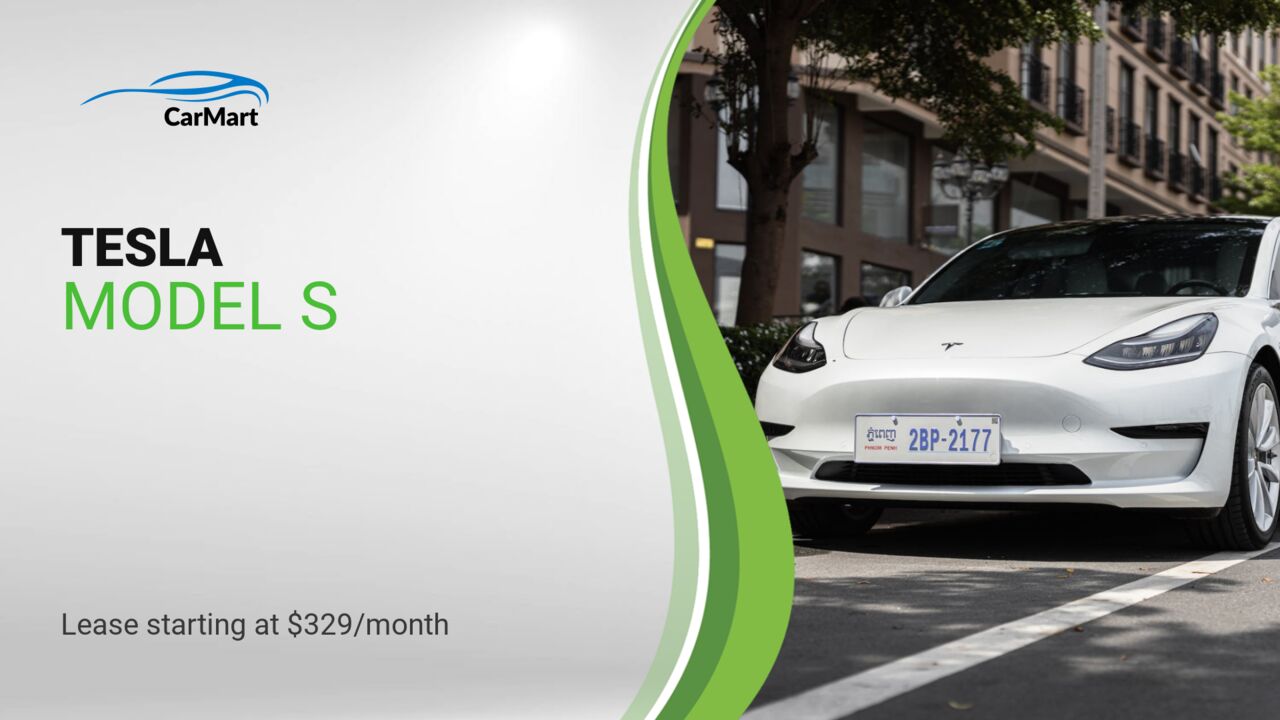
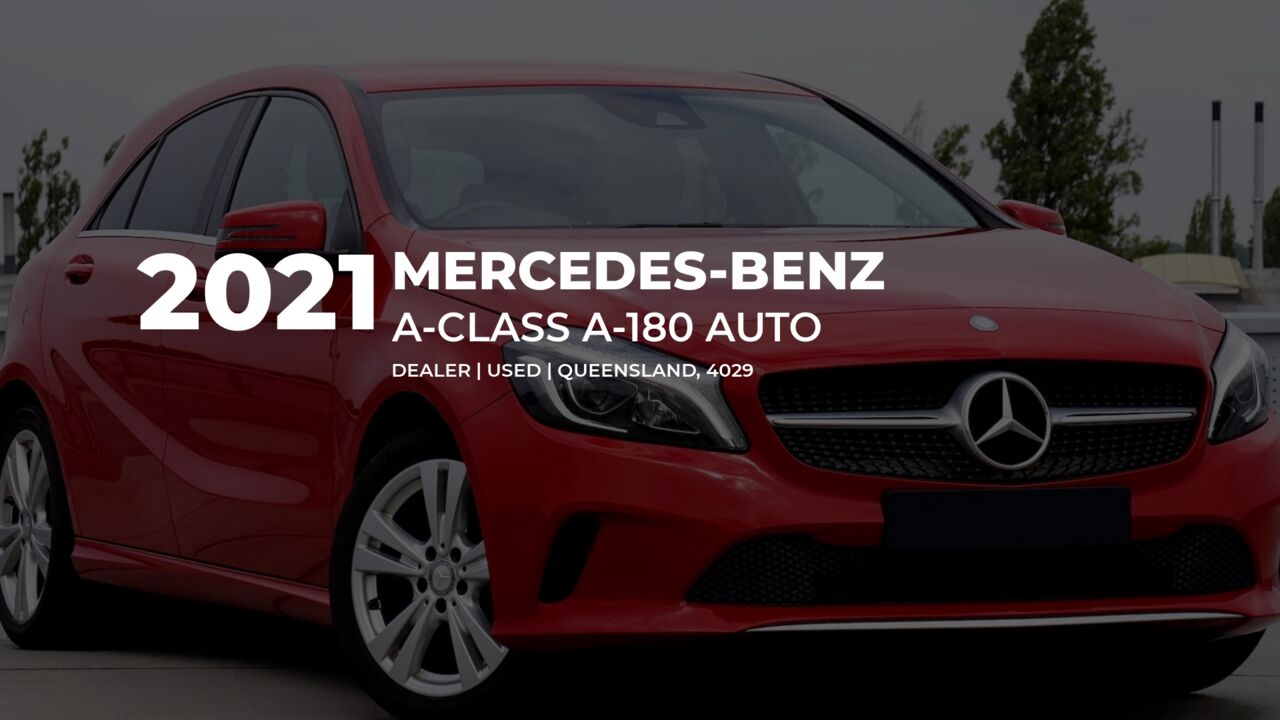
}A dynamic video template for car dealerships to promote a runout sale. The video includes dynamic merge field placeholders for the discount, company logo and car image.
No account needed until you render.
Render with your AI assistant
Add the Shotstack MCP server to your editor, then paste the prompt
| Output | MP4 |
|---|---|
| Size | 1920 × 1080 (16:9) |
| Length | 10s |
| Frame rate | default (25 fps) |
| Tracks / clips | 10 / 10 |
| Assets used | 5 image, 5 text |
| Soundtrack | yes |
| Merge fields | 3 |
Send a merge array with your values for these fields:
| Field | Default value |
|---|---|
{{ DISCOUNT }} | 30% |
{{ IMAGE }} | https://templates.shotstack.io/car-sale-video/3a10f0fc-e444-452f-8d4d-fa6ccfa48853/source.png |
{{ LOGO }} | https://templates.shotstack.io/car-sale-video/38e58ea8-b6dd-40f4-bb38-28601c9843c8/source.png |
Save the JSON above as template.json, then render in the free sandbox:
# Save the JSON above as template.json, then:
curl -X POST https://api.shotstack.io/edit/stage/render \
  -H "x-api-key: $SHOTSTACK_API_KEY" \
  -H "Content-Type: application/json" \
  -d @template.json

# Poll until status is "done", then download response.url
curl https://api.shotstack.io/edit/stage/render/RENDER_ID -H "x-api-key: $SHOTSTACK_API_KEY"import { readFileSync } from 'node:fs';
const headers = { 'x-api-key': process.env.SHOTSTACK_API_KEY, 'Content-Type': 'application/json' };
const edit = JSON.parse(readFileSync('template.json', 'utf8'));
const { response } = await fetch('https://api.shotstack.io/edit/stage/render', {
method: 'POST', headers, body: JSON.stringify(edit)
}).then((r) => r.json());
let render;
do {
await new Promise((r) => setTimeout(r, 3000));
render = (await fetch(`https://api.shotstack.io/edit/stage/render/${response.id}`, { headers }).then((r) => r.json())).response;
} while (!['done', 'failed'].includes(render.status));
console.log(render.status, render.url);import json, os, time, requests
headers = {"x-api-key": os.environ["SHOTSTACK_API_KEY"]}
with open("template.json") as f:
edit = json.load(f)
render_id = requests.post("https://api.shotstack.io/edit/stage/render", json=edit, headers=headers).json()["response"]["id"]
while True:
render = requests.get(f"https://api.shotstack.io/edit/stage/render/{render_id}", headers=headers).json()["response"]
if render["status"] in ("done", "failed"):
break
time.sleep(3)
print(render["status"], render.get("url"))npm install -g @shotstack/cli
export SHOTSTACK_API_KEY=your_sandbox_key
shotstack validate template.json # offline schema check, free
shotstack render template.json --env stage --watchSandbox renders are free and watermarked. Production: the v1 endpoint and key. SDKs
Point it at your inventory feed and each vehicle gets its own video as soon as it is listed.
Paste into Claude, ChatGPT or Cursor — your AI assistant builds the workflow around your data.
Node.js, one render per CSV row, wired to this template's 3 merge fields. Setup steps in the header.
Guides: Bulk-create from a CSV · Webhooks · Templates endpoint · Render your first video
AI assistants: Markdown () · · · CLI skill: SKILL.md () · MCP server
Use the 3 merge fields listed above. Send a merge array with your own values for each field and the API swaps them in at render time, so one template can produce thousands of unique videos.
Yes. This template renders 1920×1080 by default. Set output.resolution to "1080" or output.size to a larger 16:9 size in the JSON; the layout scales with it.
Yes. The template uses 5 images; replace each image asset's src with a public URL of your own file (JPG, PNG or WebP). Keep the timing and effects, or adjust them per clip.
Edit the text on each text asset in the JSON. Fonts come from the timeline fonts list or the asset's font family; add your own font file URL to timeline.fonts to use a brand typeface.